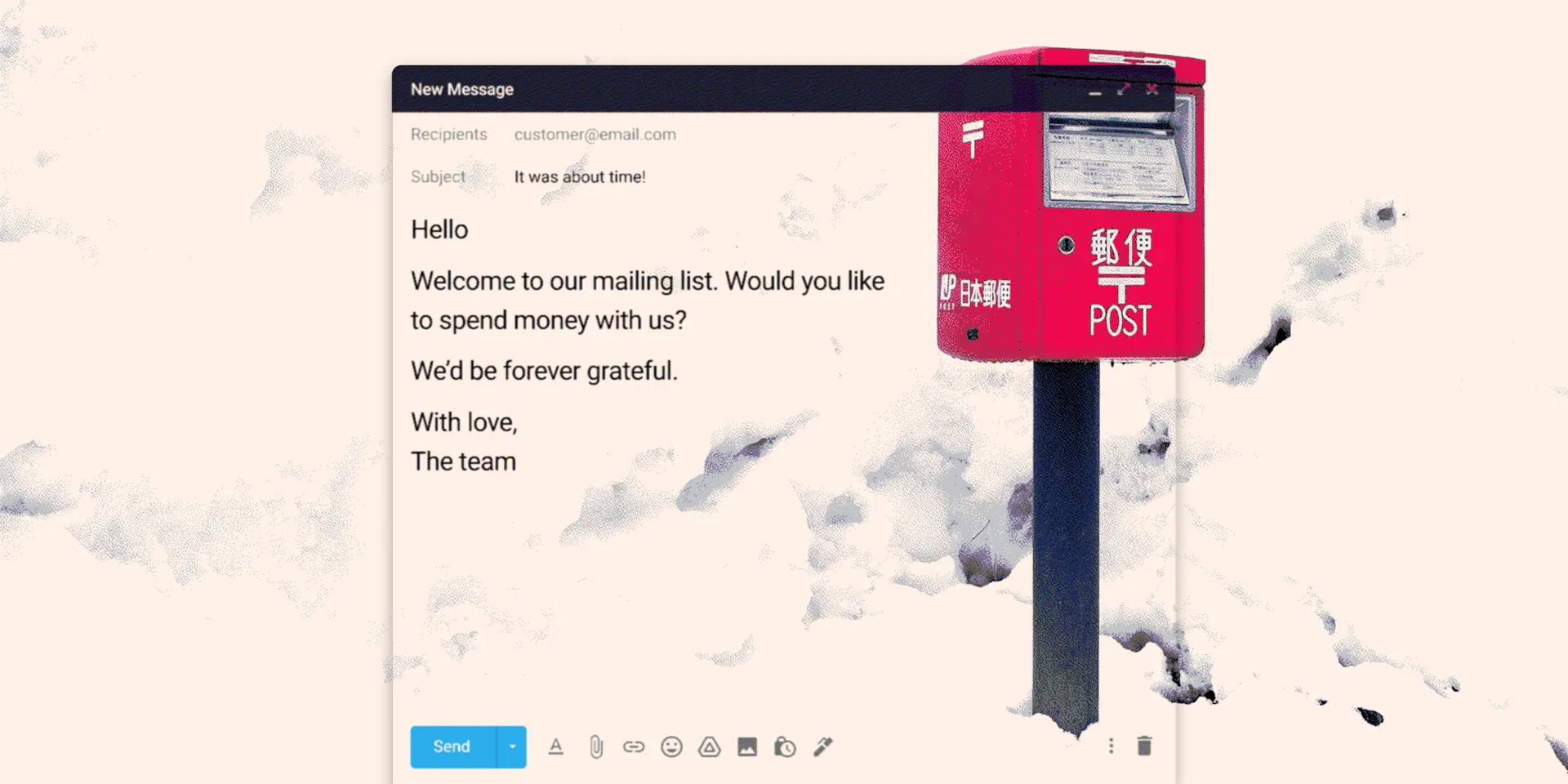
If you’re only going to do one thing to improve your email marketing today, make it this: send every new subscriber a proper welcome email.
Why care?
Because you’ll never get a stronger signal of interest than the moment someone signs up to hear from you.
Picture this: Someone has just given you their email. Maybe it’s to receive your newsletter or maybe they’re trying out your software. Either way, they’ve taken a step towards you. It’s as if they’ve entered your (fictional) restaurant.
Your website is the menu on the door and the “Hello, please come in”. But this email, this is the thing they’ll remember: the restaurant manager coming to personally welcome them and walk them through the culinary transformation they’re about to experience.
That’s it. If you don’t have a welcome email, you’re literally leaving money on the table.
And as sure as eggs is eggs, they get far better engagement than regular emails. According to Invesp, welcome emails have an average of 4x more opens and 5x more clicks than standard email campaigns. There really is no excuse not to send one.
What goes in a welcome email? (The 5 must-haves)
This is your chance to offer a 10% discount to get customers in the door. And it’s not the worst way to connect with your subscribers. Who knows, you might even become a familiar face in a sea of indistinguishable brands.
You don’t need to include much, but you do need these things:
1. A subject line that isn’t simply Welcome!
Try something that actually tells people what’s inside. Here’s what to expect or What you’ll love about [brand/product name] work better already. Test it without any emoji first and only add one if it makes sense.
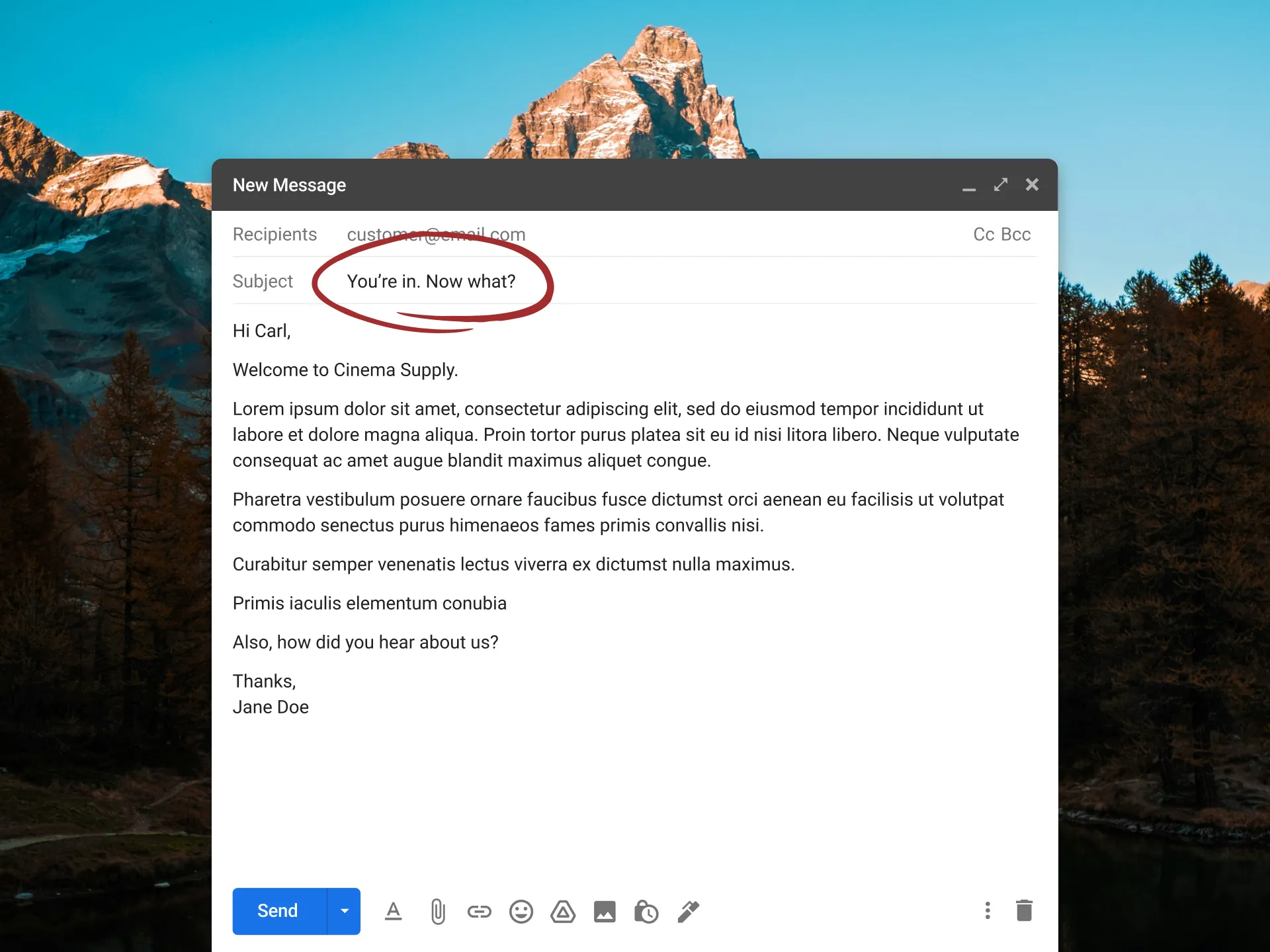
2. Remind them who you are
They might be reading this immediately after signing up. Or three weeks later. Refresh their memory.
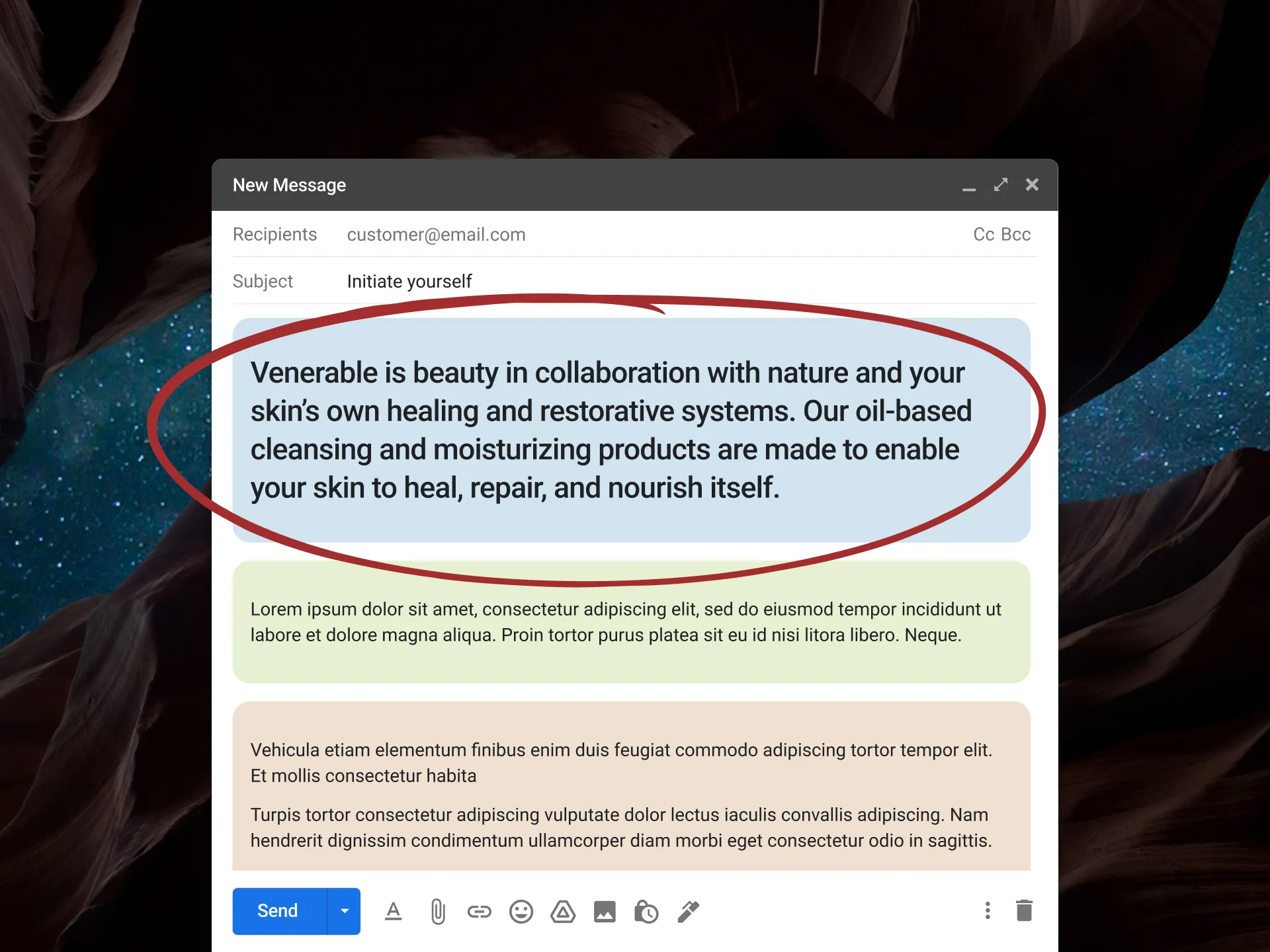
3. What are they going to get from you?
If this is a newsletter, how often will you email? What kind of stuff will you send? When’s the next one? Answer these before they have to wonder.
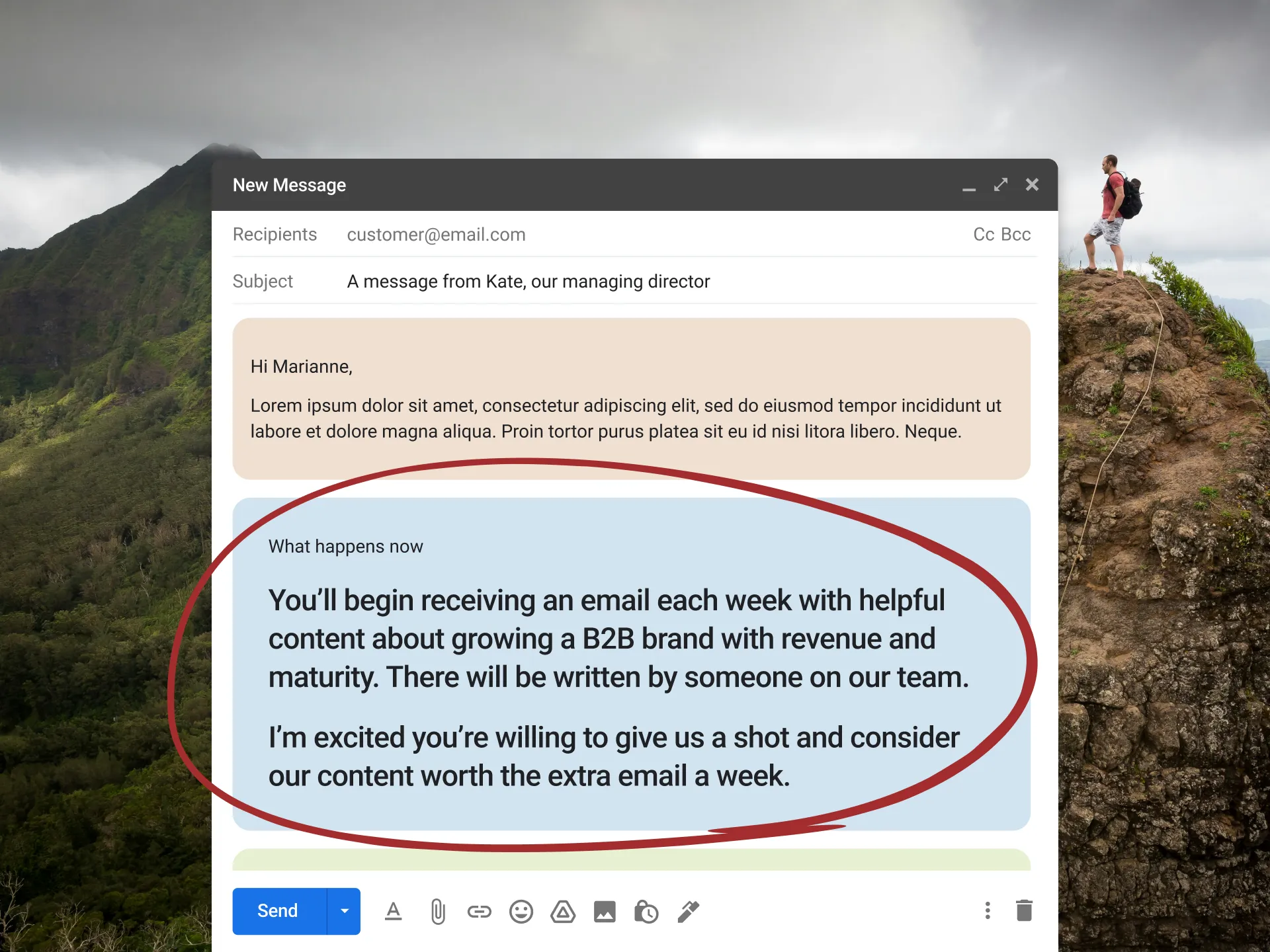
4. Give them something useful right now
Don’t make people wait for value. Share your best resource, a discount code if that’s your strategy, or simply a link to something good that you’ve already released (e.g. your newest product or upcoming event).
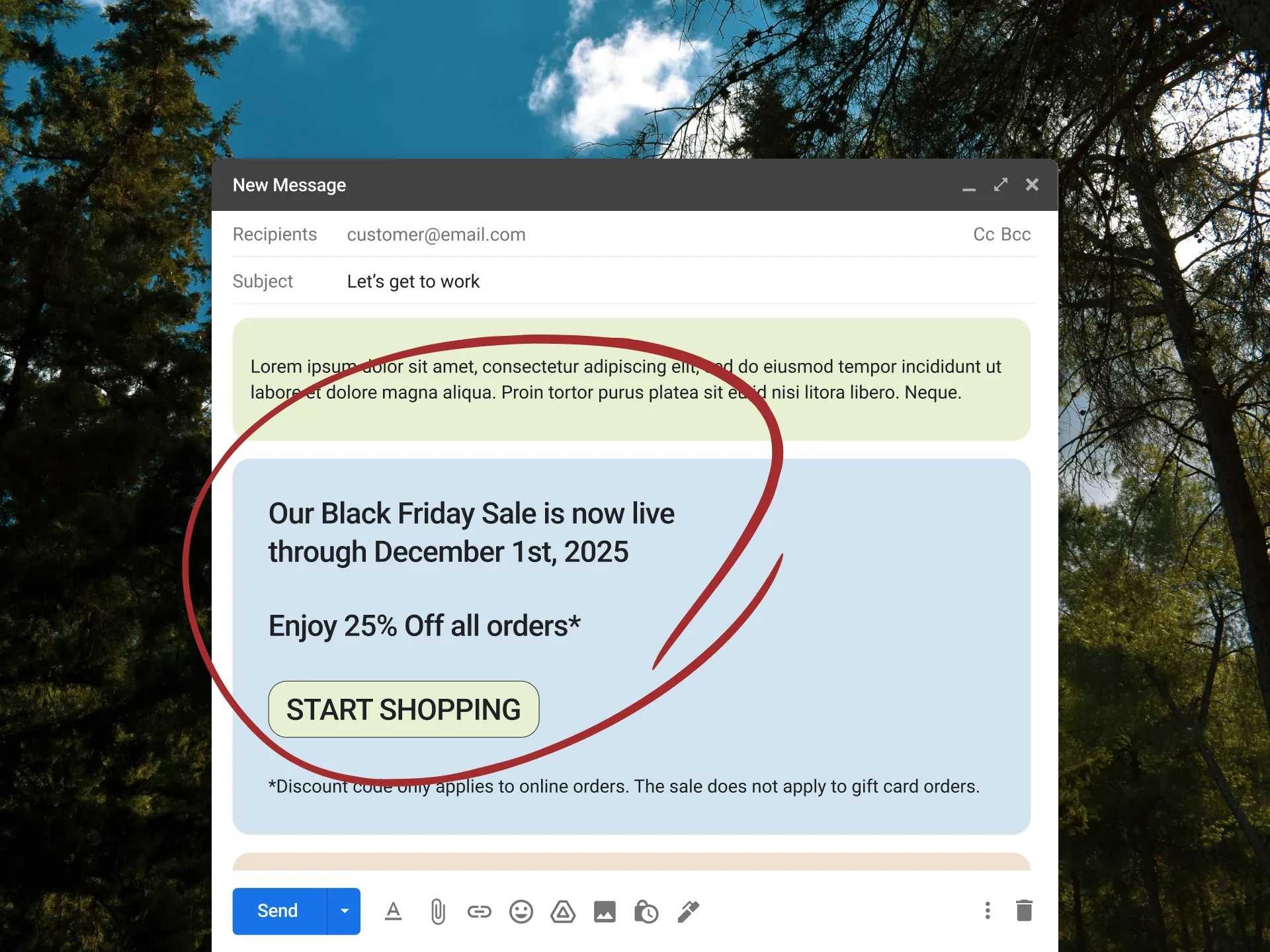
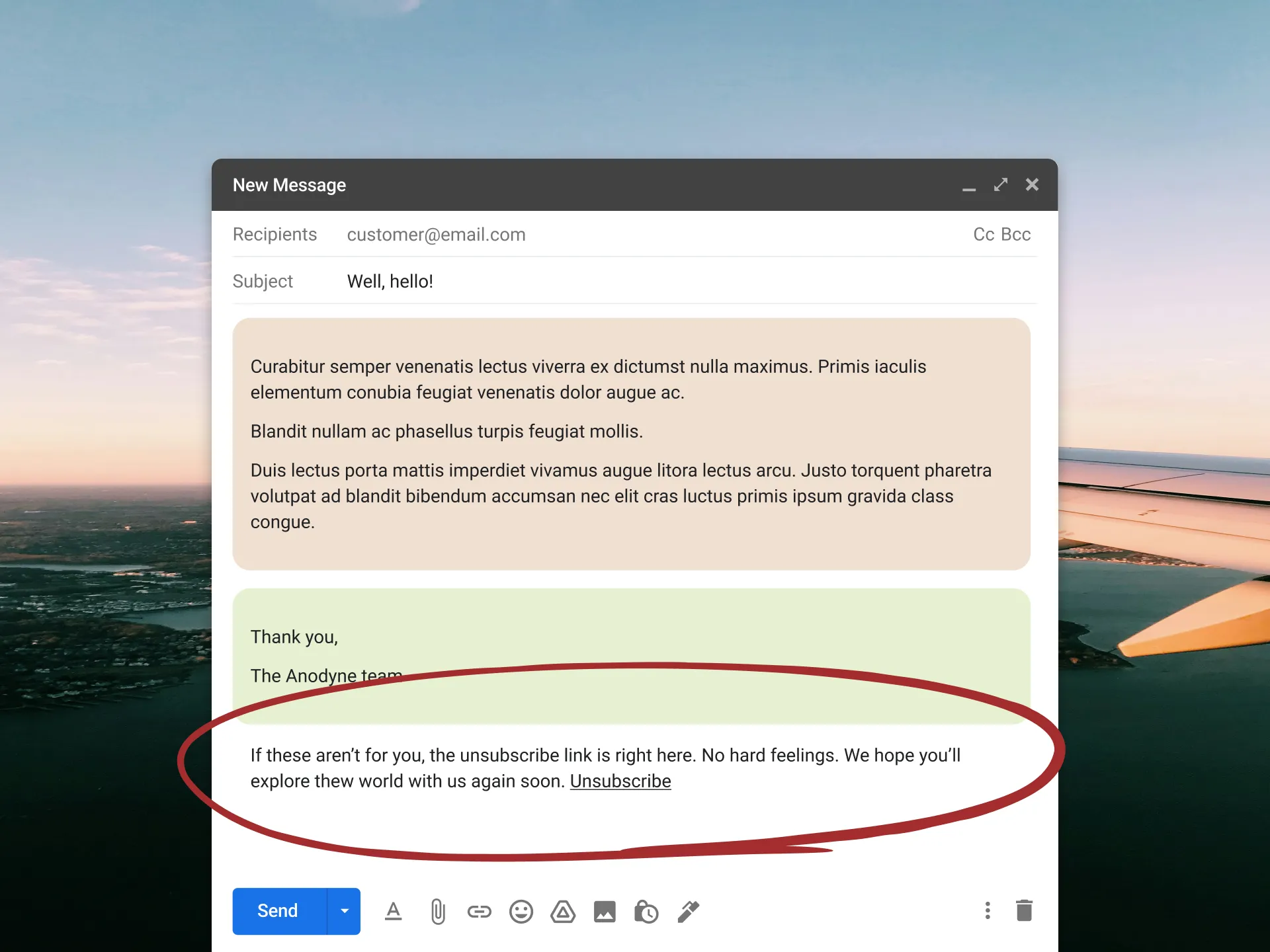
5. Offer an easy way out
Make it simple to unsubscribe. It keeps your list healthy and stops people resenting you.
Want replies? Do this
Ask them a question.
Some skip this step but (depending on the audience) it can work wonders. Justin Jackson, co-founder of Transistor.fm, asks a question both in the subject line AND the email body. He sends new users a welcome email with this subject:
What brought you here?
The email itself is short. It introduces Justin, explains what Transistor does, and then asks:
What’s happening in your world that brought you to Transistor?
He reports getting dozens of replies every week. And, I can assume, is not because he’s being manipulative, but because he’s asking from a genuine place and people can tell the difference. The trick, if there’s one, is making your question specific and easy to answer:
How can I help you? Too vague.
What made you sign up today? Better.
What’s the biggest challenge you’re dealing with right now? Works if that’s actually relevant to what you’re selling.
What’s happening in your world that brought you to us? If you want to copy Transistor nobody’s stopping you.
People reply when the question you’re asking feels like the start of a conversation rather a marketing email pretending not to be one.
Single email or welcome sequence?
Sometimes sending one email isn’t enough. If you’re onboarding people into your software, for example, you might need a series that walks them through the setup over a few stages. Or if you’re selling a course, you might want to trickle content over time to keep them engaged.
What I tell my clients is that a welcome series makes a lot of sense when:
It doesn’t make sense when you’re just padding out a sign-up process. One good email beats three mediocre ones.
The secret to a high-performing welcome email
As Jimmy Kim observed, brands waste this moment by going straight to sending welcome sequences… and then they read like this:
Which roughly translates to:
If you have the power to decide, don’t do this. It’s insincere, reads like a press release, and the final sales pitch is as predictable as they come.
Remember, email marketing is all about the long game. Not every email has to sell something. Yes, of course you want to give people the opportunity to buy from you, but this is your most important chance to nurture a relationship. And not just any relationship: one with someone who has already told you they want to hear from you.
Kim recommends following this guidance instead (it applies to both sequences and single welcomes):
1. You’re a person. Write like one. Write like you’d write to someone you’re hoping to work with, not like you’re addressing “valued customers.”
2. Focus on transformation. Unless you’re selling an autobiography, people didn’t sign up to learn about your whole story. They signed up because they have a problem or goal. Help them with that immediately.
3. Ask something specific. If you’re going to ask a question, make it narrow enough that they can answer in two sentences. Broad questions (“What are your goals?”) will likely get ignored.
4. Add a P.S. with something unexpected. A resource they wouldn’t expect. A link to your favourite essay. Something that makes them think “huh, that’s useful” rather than “this is obviously automated.”
Before you send it
Read it once more and ask: would I actually read this if it landed in my inbox?
If the answer is “I’m not sure”, send it to a trusted friend or colleague and ask for feedback.
If the answer’s no, you’re not done yet.
Your welcome email sets expectations for everything that comes after, so it’s worth getting right. Even if that means rewriting it three times, which is normal, by the way.
PS: Need inspiration?
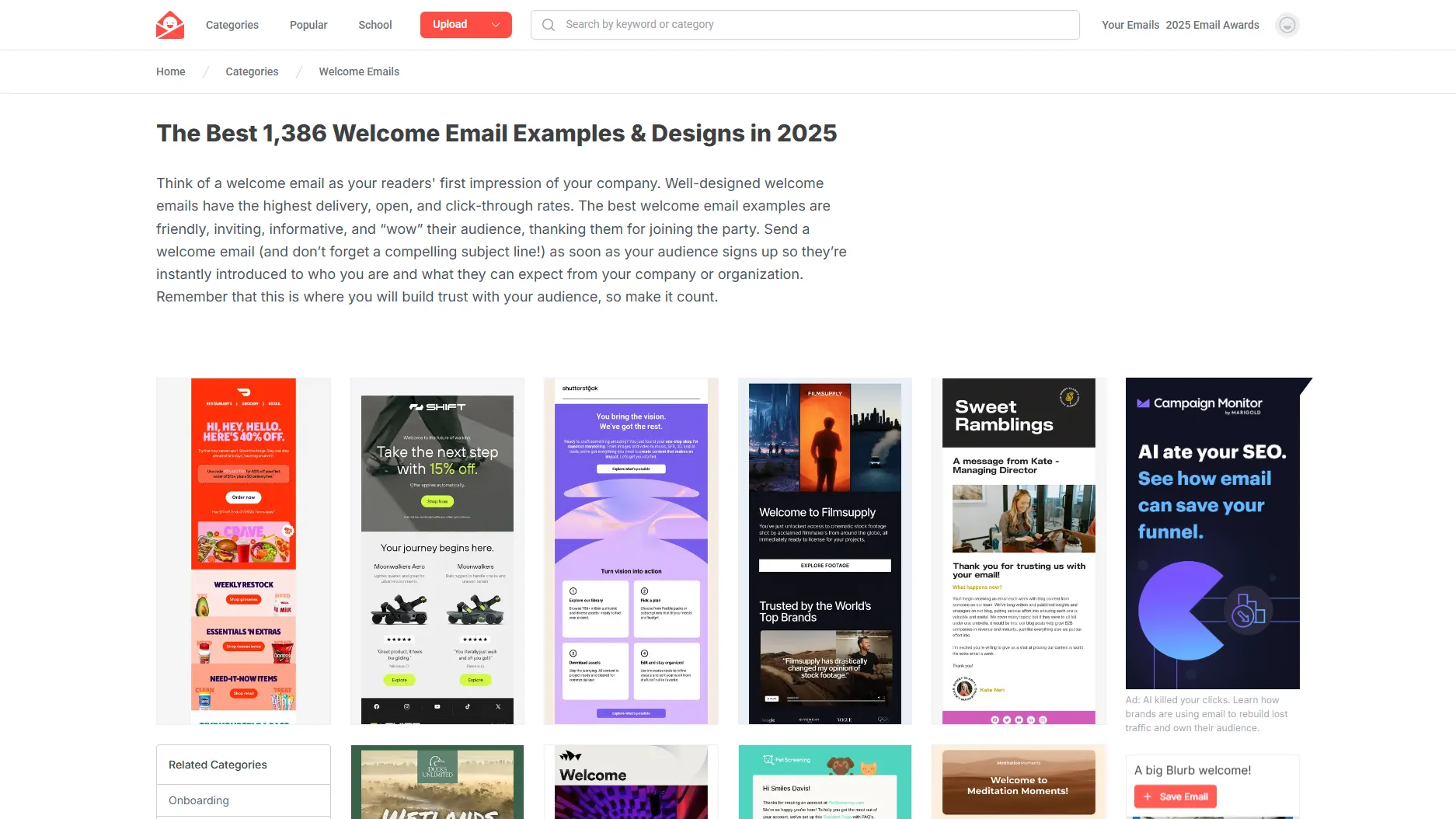
For examples of great welcome emails, check out this collection on Really Good Emails.
Be the first to hear about new posts, projects & experiments
Very occasional emails but always worth reading. Your inbox is literally drooling at the idea.
You agree to receive updates and consent to the Privacy Notice.